
Richard's Books
An Opening
I was not supposed to end up here. Not on a stage. Not in a seminar room. Not behind a webinar camera and microphone teaching thousands of people about trade shows and AI and the art of communicating with confidence. Not as the author of seventeen books with an eighteenth already forming somewhere in the back of my mind.
I was supposed to still be a kid from Chicago, moving parts from one department to another at Victor Adding Machine Company for $2.20 an hour, driving my 1957 Chevy Bel Air with glass-pack mufflers, figuring out one day at a time what kind of man I was going to become.
That was the plan. Or the lack of one.
I was always curious and ambitious but without a clear direction. Street smart and self-reliant in the way that kids from Chicago’s North Side tended to be. Someone who had lost his mother too young — she passed in 1963, the same year President Kennedy was assassinated, the same year the world seemed to shift on its axis — and who had already learned early in his life that real life doesn’t wait for you to feel ready before it starts happening. It just comes at you.
I had no idea what was coming early on. But I was always ready for it.
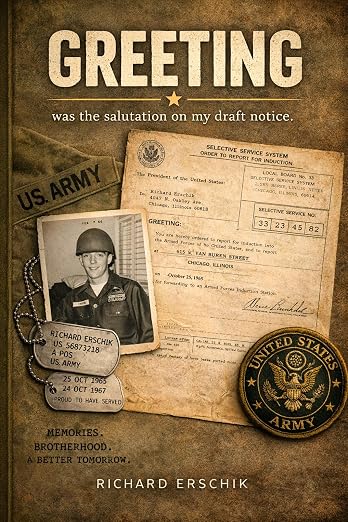
The first pivot I made didn’t knock politely. It arrived in a mailbox on a September morning in 1965 in the form of a letter that began with a single word: GREETING. The United States Army had decided I was needed. My opinion on the matter was not requested or required.
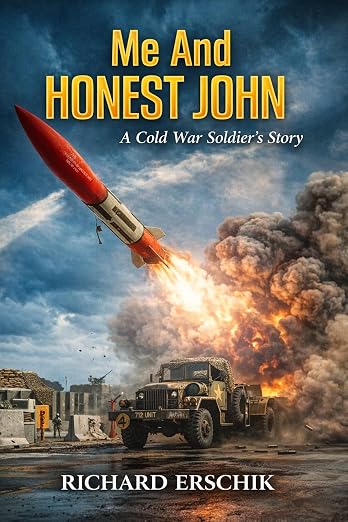
Two years in that uniform did something to me that working for $2.20 an hour never could have. It gave me discipline I hadn’t asked for and couldn’t have bought. It gave me brotherhood I hadn’t expected and I will never forget. It gave me the men of A-Battery, 1/16th Artillery, and a nuclear rocket weapon system called Honest John along with a series of experiences I would carry quietly for more than sixty years before finally putting them on paper. And it gave me the most important thing a young man without a clear direction can receive — a profound understanding of what he was actually made of.
I came home from the Army in 1967 as a different person. Having to hide my uniform from protesters made me harder in the right ways. More focused. Ready.
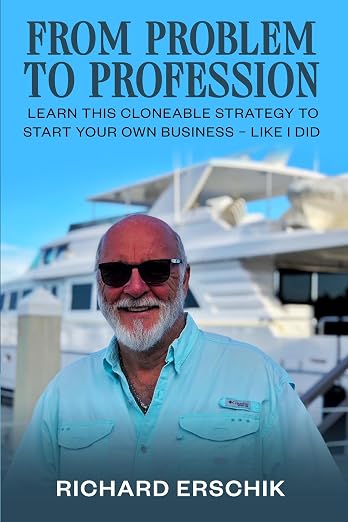
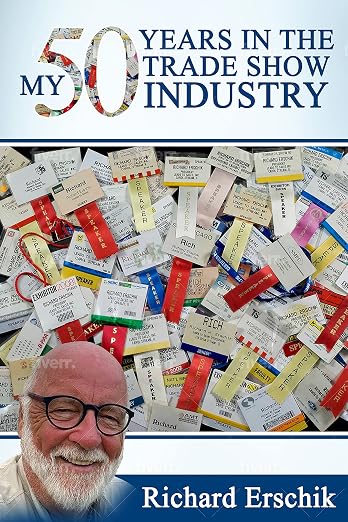
The second pivot came by means of the trade show industry — a world I stumbled into almost backwards and never fully left. I won’t tell the whole story here because I’ve written two books about it and could probably write two more. What matters for this opening and introduction is what I found there: a problem nobody was solving, an opportunity nobody was seeing, and the dawning realization that I had both the insight to build a solution and the drive to turn that solution into a business. A multi-million-dollar service company that I founded and ran for twenty-two years. Then a pivot inside that pivot — taking everything I’d built and turned it into training so that anyone, anywhere, could learn to do what I had spent decades doing for others.
That pivot — from service provider to educator — was the one that changed everything in my life a second time. Because the moment I started teaching, something clicked that has never unclicked. I discovered that I could take complicated things and make them simple. That I could take a room full of skeptics and turn them into believers. That a well-told story lands harder than any PowerPoint slide presentation ever built. That people who feel seen and understood will follow you anywhere.
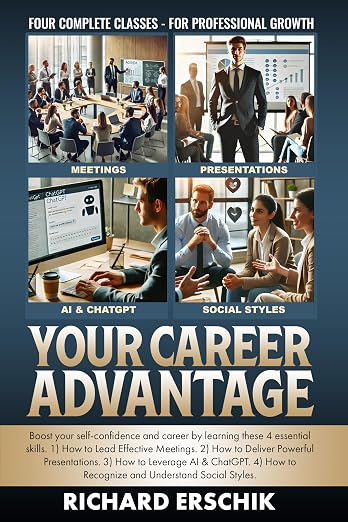
I became a speaker. A trainer. A presenter. A seminar leader. A webinar host. A podcaster. An educator in the truest sense — not because I had degrees on a wall, but because I had decades in the field and the genuine desire to share what I’d learned with anyone willing to listen.
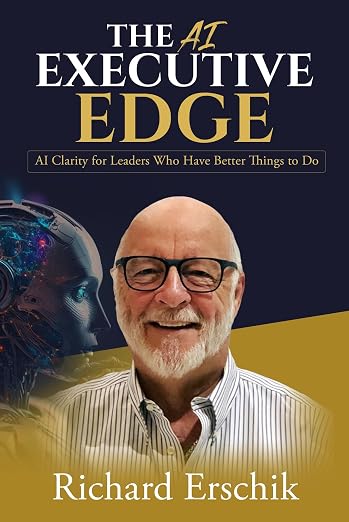
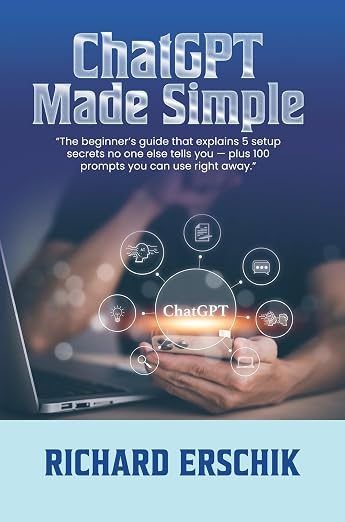
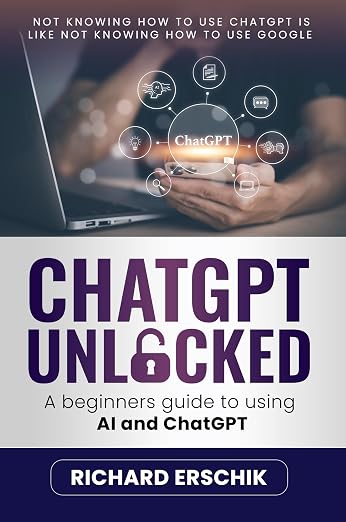
The third pivot I did not see coming either. Somewhere in my late seventies, a technology called AI & ChatGPT arrived and lit the world on fire. And instead of watching from the sidelines the way many people my age chose to, I leaned in. I learned it. I taught it. I wrote two books about it. I became — and I still find this quietly remarkable — one of the people helping boomers, seniors, and CEOs understand artificial intelligence at a moment when most of them felt completely left behind by it.
I was in my late seventies teaching the future. And it felt completely natural.
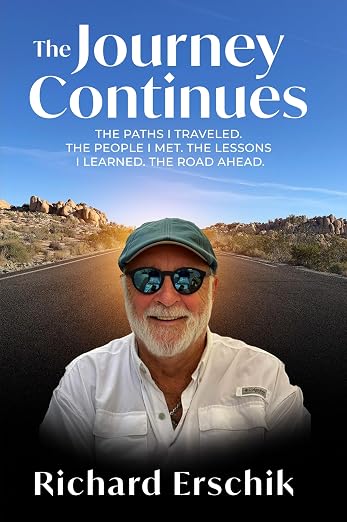
And then somewhere along the way — woven through all of it, running parallel to the pivots and the businesses and the stages and the seminar rooms — I started writing books. Seventeen of them to date. About the Army. About trade shows. About communication and careers and curiosity and Florida and ChatGPT and the stories that didn’t fit anywhere else.
I never set out to be an author. I set out to be interesting and useful. The books turned out to be the most permanent form of useful I ever found.
Still Writing is the story behind those books — why I wrote each one. What I was thinking. What I was feeling, and what I hoped the person on the other end of the page would take away. But it’s also something else. It’s the story of what happens when an ordinary kid from Chicago stays curious long enough, pivots boldly and often enough, and refuses stubbornly enough to stop — and ends up somewhere he was never supposed to be.
Here. Still writing. Still teaching. Still going.
I hope you find something in the pages of my books worth carrying with you.
— Richard Erschik
17 Books • 5 Categories
Explore the Collection
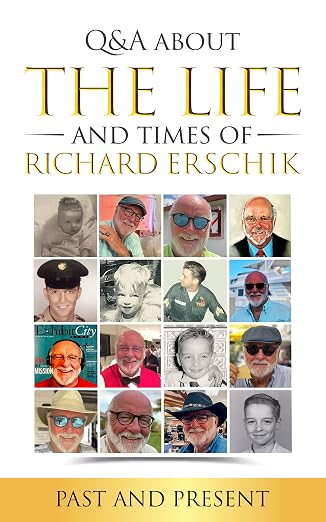
From memoirs and military stories to business strategies and AI education, each book offers practical insights, real-world experiences, and lessons worth sharing.